The trademark dispute between the Chinese tea beverage chain Molly Tea and the French luxury fashion house Louis Vuitton has garnered widespread attention and serves as a relevant lesson for businesses in Indonesia, particularly when it comes to building brand identity.
Chronology of the Case
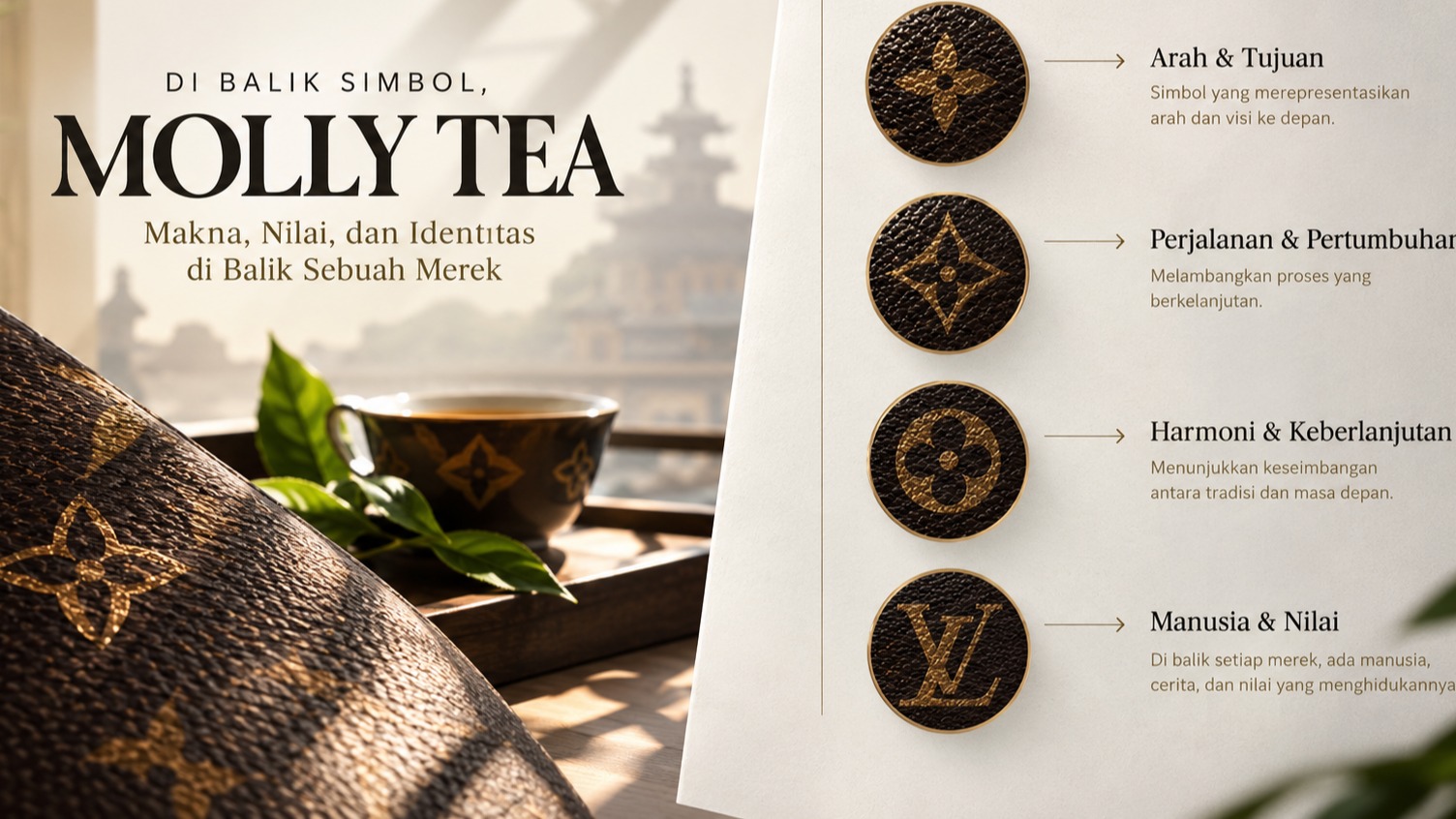
Molly Tea, a Shenzhen-based chain of premium tea shops, uses a four-petaled flower logo in its brand’s visual identity. Louis Vuitton determined that the logo bore a significant resemblance to its iconic, previously registered floral monogram and filed a lawsuit in May 2025. On June 29, 2026, the Suzhou Intermediate People’s Court in Jiangsu Province ruled that Molly Tea and one of its franchise outlets had infringed upon seven of Louis Vuitton’s four-petal flower trademarks.
Contents of the Ruling
The court ordered Molly Tea to:
Discontinue the use of the logo in question;
Pay compensation of 10.3 million yuan, or the equivalent of approximately 27 billion rupiah; and
They issued a public apology through their six official social media channels, including their website, Weibo, WeChat, RedNote, and Douyin.
Interestingly, the court also noted bad faith on the part of Molly Tea. Since 2022, the company has filed approximately 17 trademark applications with similar designs, but all were rejected by the China National Intellectual Property Administration because they were deemed to be similar to the previously registered Louis Vuitton trademark. Molly Tea has reportedly filed an appeal against this ruling.
Relevance for Businesses in Indonesia
The trademark legal system in China shares many common principles with that of Indonesia. Both countries follow a “first-to-file” system (the party that registers a trademark first is granted legal protection), provide special protection for well-known trademarks, and recognize the concept of “substantial similarity” as the basis for determining trademark infringement.
This case underscores that the visual similarity of a logo—even if claimed to be “design inspiration”—can still be considered a violation of exclusive rights if it has the potential to cause confusion among consumers, especially if the element resembles a distinctive feature of a brand that is already widely recognized.
Recommendations
Before launching or registering a brand identity, businesses should conduct a trademark search to ensure that their logo design, name, or other visual elements do not substantially resemble any registered trademarks—whether local trademarks or global trademarks that are widely recognized in the Indonesian market.
This article is intended for general informational purposes only and is not intended as legal advice for any specific case. For further consultation regarding your business’s legal compliance, please contact our team.